

Views: 0 Author: Site Editor Publish Time: 2026-04-13 Origin: Site
Selecting the right Industrial HVAC System means you pick a system that fits your building’s needs, budget, and goals. You should follow these important steps to make a good choice:
Look at what your building needs.
Think about how much energy it uses and the cost.
Pick the best type of HVAC system.
Check how much care it needs and how long it lasts.
Make sure the air inside is clean and safe.
You save energy and get better results when you pick a system that matches your needs.
Look at what your building needs. Think about its size, layout, and how many people use it. This helps you pick the best HVAC system.
Check how much energy the system uses. This can help you save money over time. It also helps the environment.
Think about how much the HVAC system costs at first. Also, think about how much it will cost to use and keep up. This helps you make a smart money choice.
Make sure the air is clean and there is good ventilation. This keeps everyone safe and comfortable.
Pick a vendor that is trusted and has good support. This helps with installing and taking care of your HVAC system.
To pick the right HVAC system, you need to look at what your building needs. Every project is different and has its own problems. Knowing these things helps you make smart choices. This can make your system work better, cost less, and keep you happy for a long time.
Start by thinking about how big your building is and how it is set up. Big buildings with open areas or many floors need HVAC systems that can keep the air and temperature even everywhere. Small or split-up spaces might need systems that can change to fit different needs.
Think about your space needs before you start planning.
Draw a map of places with high ceilings, extra floors, or closed rooms.
Find spots that need their own temperature or humidity control.
The weather where your building is matters a lot when you pick an HVAC system. Hot and cold days, wet air, and rain all change how your system works. For example, if you are in a wet place, you need a system that can take water out of the air. If you are in a cold place, you need a system that heats well.
Weather, wetness, and rain change how much heating or cooling you need.
Doing the math for your weather zone helps your system work best.
Things like dirty air or dust mean you might need better filters.
Key Climate Factors | Impact on HVAC Performance |
|---|---|
Temperature | Tells you how much heating or cooling you need |
Humidity | Changes comfort, mold risk, and how much energy you use |
Precipitation | Changes where you put equipment and how long it lasts |
How many people are in your building and what they do changes what your HVAC needs. More people make more heat and wetness. Machines or work lines also add heat. You need to know when and how many people are there to pick the right size system and not waste energy.
Count how many people are there when it is busiest.
Write down what kind of work is done—like office, making things, or storing stuff.
Make a list of machines that make heat or need cooling.
A good HVAC system keeps people comfortable and helps them work well, even when the number of people or what they do changes during the day.
Factories and other work places can make dust, smoke, or other things in the air. Good air and ventilation keep people and products safe. Your HVAC should have things like strong filters, ways to control wetness, and fans that can be turned up or down.
Key Factors | Description |
|---|---|
Air Filtration | Strong filters catch dust, smoke, and chemicals from work areas. |
Humidity Control | The right wetness stops static and rust, and helps the air feel better. |
Ventilation Rate | Bringing in fresh air all the time helps clean the air and keeps it safe. |
Exhaust and Pressurization | Special systems move air in or out in cleanrooms, labs, and other special places. |
When you look at all these things, you can plan for an HVAC system that works well, saves money, and gives you good results.
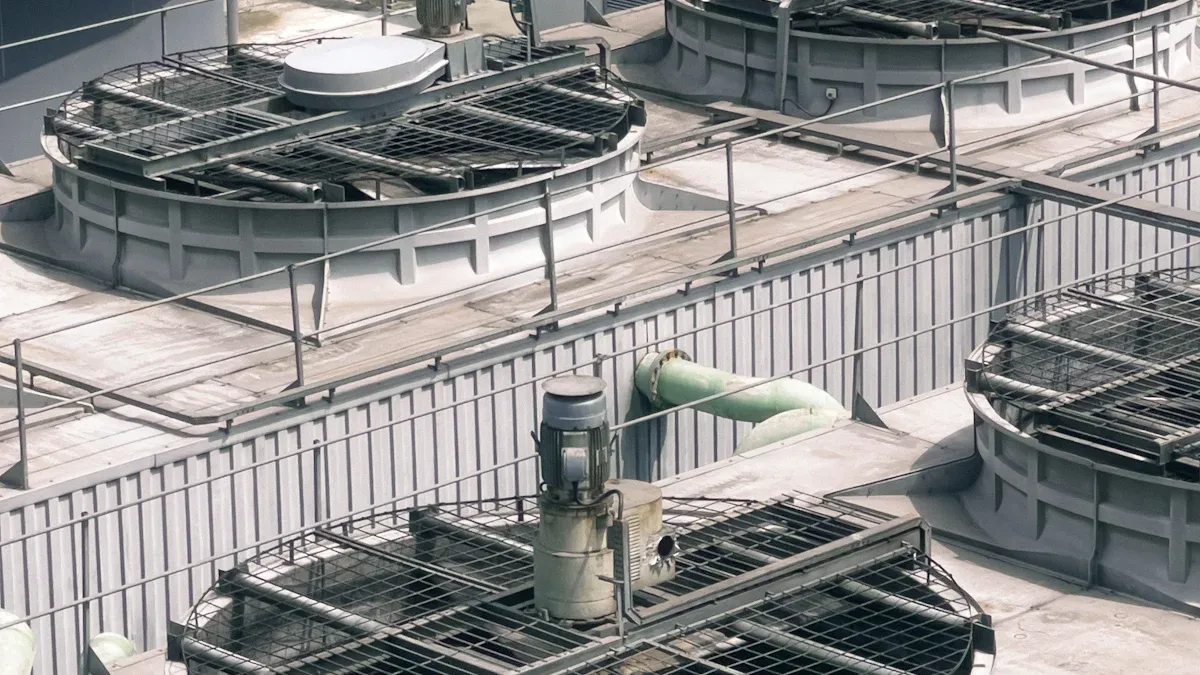
When you pick an industrial hvac system, you should know the main types. Each type fits different projects. HVAC Technology (Suzhou) Co., Ltd. is a top company for advanced hvac solutions. They have many products. Some examples are chillers, rooftop units, fan coil units, cooling towers, dehumidifiers, and cleanroom solutions. Every product has special features to fit your facility’s needs.
You usually choose between packaged and split hvac systems. Each one has its own benefits for performance, installation, and cost. The table below shows the main differences:
Feature | Split System | Packaged System |
|---|---|---|
Configuration | Separate heating and cooling components | All components in one outdoor unit |
Energy Efficiency | Generally more energy-efficient | May have lower efficiency due to combined units |
Installation Complexity | More complex installation process | Easier and less expensive to install |
Maintenance | Requires more regular maintenance checks | Generally easier and less expensive to maintain |
Cost-Effectiveness | Higher initial cost but potential long-term savings | Lower upfront cost but may incur higher energy costs over time |
Split systems use less energy and can be placed in more spots. They are good for projects that need better performance and easier maintenance. Packaged systems are best when you do not have much indoor space. They are simple to install. You should think about your project’s size, budget, and goals before you decide.
Some industries need special hvac features to meet strict rules. For example, aerospace, mining, and life sciences all need unique hvac solutions. The table below shows how different industries use special hvac systems:
Industry | Specialized HVAC Solutions |
|---|---|
Aerospace | Clean room filtration, environmental control, moisture elimination systems |
Homeland Security | Temperature and humidity control for security checkpoints |
Mining and Drilling | Environmental control units to cool electrical cabinets |
Life Sciences | Strict control over temperature, humidity, and dew point |
Cleanroom | Pressure control and air flow management for labs and hospitals |
You want your industrial hvac system to work well and not use too much energy. Energy efficiency ratings help you see which systems use less power. These ratings make it easier to pick the right system for your project. The table below shows the most important ratings:
Rating | Description |
|---|---|
SEER | Measures air conditioning and heat pump cooling efficiency. |
AFUE | Shows how much heat you get for each dollar spent on fuel in gas and oil furnaces. |
HSPF | Tells you how well heat pumps heat your building. |
EER | Shows how well cooling equipment works when it is very hot. |
High-efficiency hvac systems help you pay less each month. They also lower the cost to fix and take care of your system over time. These systems are more reliable and help you control your budget
Your building might get bigger or change in the future. You need hvac features that can grow or change with your needs. Modular systems let you add new parts or areas without buying a whole new system.
Modern hvac automation system options give you better control. Smart controls change heating and cooling when you need it. Real-time checks help you find problems early and stop breakdowns. Automation makes it easier to take care of your system and gives you good information to help you decide what to do.
Regular maintenance keeps your hvac system working well. Good steps include:
Getting professional check-ups
Changing filters on time
Cleaning outside units
Watching how your system works
These steps help your system last longer, make the air better, and stop expensive repairs.
It is important to size your industrial hvac system right. This helps it work well and saves energy. You need to do load calculations to match the system to your space and needs. First, gather facts about insulation, how big the space is, window types, and how many people are there. Check your local weather and the hottest and coldest days. Use the Manual J method to figure out heating and cooling needs. Split the total into sensible and latent parts. Change your numbers for how many people are inside to include extra heat. Check your answers and fix them if needed.
Manual J looks at heating and cooling by checking things like space size, which way the building faces, how much insulation there is, and how many people are inside. Manual D helps you plan ductwork so air moves right. These methods help you pick a hvac system that fits your project and works best.
Picking the right size hvac system stops expensive problems. If your system is too big, it heats or cools too fast. This makes some spots too hot or cold. The system turns on and off a lot, which wears out parts and makes them break sooner. High humidity and mold can happen if the system does not remove water from the air. If the system runs less, it does not clean the air well. Dust and allergens can spread. Too much airflow can make cold drafts near vents and warm spots in other places.
Uneven temperatures make people uncomfortable and hurt work.
Short cycling costs more to fix and makes the system last less.
Not enough dehumidification lets mold and mildew grow.
You can stop these problems by sizing your hvac system with good calculations. The right size saves energy, works well, and can grow if you need more space later. Advanced hvac automation system features let you watch and change how the system works, so your project stays efficient and saves money.
When you choose an industrial hvac system, you need to look at both the initial price and the total cost over time. Many people focus on the price tag at the start, but the real value comes from how much you spend during the life of the hvac system.
Hydronic systems usually have lower initial costs than VRF systems. VRF systems can cost 5% to 20% more because they use advanced technology.
Hydronic systems last longer, often up to 25 years, while VRF systems may last about 15 years. This difference changes how much you pay in the long run.
You get more flexibility with hydronic systems. You can swap out parts and do maintenance more easily, which helps lower the total cost for your project.
You should always compare the upfront price with the money you will spend on repairs, energy, and upgrades. This helps you make the best choice for your building and your budget.
You can save a lot of money by picking the right hvac for your project. High-efficiency systems use less energy and need fewer repairs. This means you pay less each month and your system lasts longer.
Efficient hvac systems may cost more at first, but you save money over time because they use less power and need less maintenance.
Lower utility bills help your business earn more. Advanced equipment keeps heating, cooling, and ventilation steady without wasting energy.
Regular maintenance keeps your hvac running well. Dirty filters or broken parts can make energy use go up by 20% to 30%. Small problems, like dust or cracks in ducts, can also raise your bills.
Many businesses see a return on their investment in just a few years. Planning ahead helps you get the most value from your hvac automation system and building management systems.
You get better performance, lower costs, and a more reliable system when you focus on long-term savings. Smart choices today help your facility run smoothly for years.
When picking an hvac vendor, you should look at more than just what they sell. A good reputation and strong support can help your project succeed. You want a vendor who stands by their hvac systems and helps you when you need it. Use the table below to compare vendors on important things:
Criteria | Description |
|---|---|
Product Quality | Check if hvac products last long and work well. Make sure they come with good warranties. |
Pricing Structure | Learn about prices, hidden fees, and discounts. This helps you get fair prices. |
Service Reliability | See if the supplier delivers on time and always has products ready. |
Technical Support | Make sure customer support is strong. Training and troubleshooting help stop delays. |
Reputation | Find out how the supplier is seen in the industry. This shows if they give good service and help. |
Talk to other facility managers and read reviews. Ask about how fast the vendor answers and fixes problems. Good support means your hvac system works better and has fewer problems.
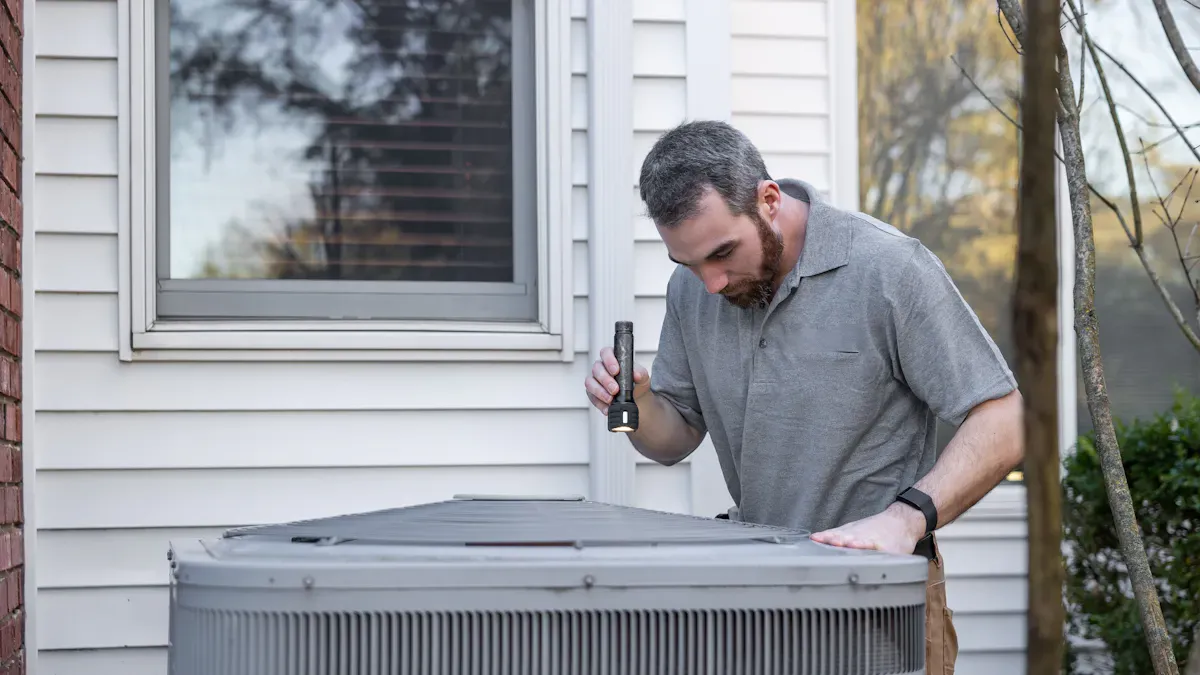
You need a good plan before you put in an hvac system. Planning helps you stop delays and expensive mistakes. Pick a contractor who knows about industrial projects. The contractor helps you with every step. They make sure your hvac system follows safety and energy rules.
Ductwork design is important for your system to work well. Good duct routes and pressure balance keep temperatures even. This stops hot and cold spots. It also helps your hvac system use less energy.
Here are some best ways to plan your installation:
Use high-efficiency hvac equipment with strong SEER or AFUE ratings.
Pick variable-speed fan controls to save energy.
Set temperature setbacks to save energy during slow times.
Plan regular maintenance, like yearly check-ups.
Do not run heating and cooling at the same time.
After you install your system, your team must know how to use it. Training teaches your staff about controls and basic care. A good vendor gives you a manual with clear instructions. You can use it for daily use and fixing problems.
Support and upgrade programs help your hvac system last longer. Advanced controls and updates keep your equipment working well. These programs use smart features like start/stop algorithms and load balancing. They help reduce wear and tear. Seasonal testing and planned maintenance help your system work well all year.
You can make picking an hvac system easier by using simple steps. First, learn what your building needs. Next, think about saving energy and making people comfortable. Look at how much everything costs and plan to get your money back over time. Use a checklist to help you remember each step. > If you get help from trusted experts like HVAC Technology (Suzhou) Co., Ltd., you will feel sure about your choice and help your business for a long time.
Think about how big your building is and its shape. Look at the weather in your area and what kind of air you need inside. Make sure you know how much money you can spend. Think about what you want for the future. Talk to experts so you get a system that fits your needs.
Plan to have a professional check your system two times each year. Change filters and look at the system often. This helps stop problems and keeps your system working well.
Get high-efficiency units if you can. Use smart controls to save energy. Take care of your equipment and fix it when needed. Put insulation in your building and close up any leaks. This stops energy from getting out.


