

Views: 0 Author: Site Editor Publish Time: 2026-04-09 Origin: Site
You use an industrial HVAC system to control air and temperature. It works in big factories and manufacturing plants. These systems help save energy. They also make workers feel comfortable. HVAC Technology (Suzhou) Co., Ltd. is a leader in the industry. They offer custom solutions for special needs. The global HVAC market is growing fast. This growth happens because there is more building and urbanization. People also want thermal comfort in new buildings.
Industrial HVAC systems manage air, temperature, and humidity in big buildings. This helps keep workers safe and comfortable.
Regular maintenance is very important. It can lower energy bills by up to 30%. It also helps the system last much longer.
Picking the right HVAC system for your building can save energy. It also helps you follow safety rules.
Smart technology in HVAC systems lets you check them in real time. This helps stop problems before they get worse.
Talking to experts like HVAC Technology (Suzhou) Co., Ltd. can help. They can give you special solutions for your building’s needs.
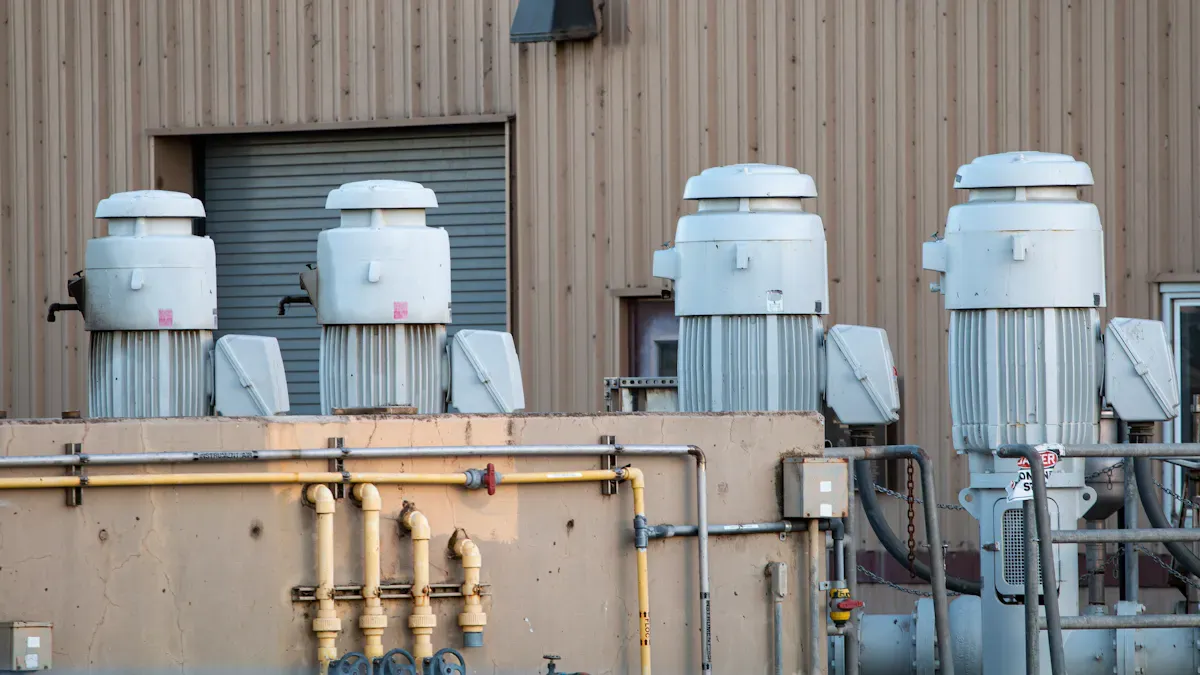
An industrial HVAC system helps control air, temperature, and humidity in big buildings. HVAC stands for heating, ventilating, and air-conditioning. You see these systems in factories, hospitals, and large stores. They are much bigger than the ones used in homes. The main jobs are heating, cooling, and moving air around the building. These systems keep workers and equipment safe and comfortable.
When you pick an industrial HVAC system, you want it to solve your building’s special problems. It should keep every area at the right temperature. It also needs to save energy and clean the air, even if there is dust or fumes. HVAC Technology (Suzhou) Co., Ltd. is a top company in this area. They have more than 30 years of experience. They make custom systems for different needs. Their systems help you follow safety and quality rules.
You also need to think about how these systems help you follow laws and keep products safe. Here is what an industrial HVAC system does for your building:
It keeps your products safe from germs and dirt.
It helps you meet safety rules from around the world.
It helps you spend less money on energy.
It keeps workers healthy and safe.
Industrial HVAC systems are used in many types of businesses. Each business needs different air, temperature, and humidity levels. The table below shows where these systems are used and what each place needs:
Industrial Sector | Specific Application Requirements |
|---|---|
Pharmaceuticals | Air must be clean, pressurized, and kept at the right temperature and humidity to protect medicine. |
Data Centers | Temperature must stay in a set range, cooling must be strong, and there must be backup systems for heat from servers. |
Chemical Plants | Temperature and humidity must be exact for chemicals to stay safe and stable. |
Manufacturing | Clean rooms need strict control of temperature, humidity, and air filters. |
Water/Wastewater Treatment | Temperature must be right, air must be clean, and workers must be safe. |
Government Facilities | Some jobs need very strong HVAC for things like painting planes or working with batteries. |
You must keep cleanrooms free from dust and germs. You use special filters and pressurization to stop dirt from getting in. In data centers, you need strong cooling to keep servers from getting too hot. In chemical plants, you must control humidity and temperature to keep chemicals safe.
When you choose a system, check if it fits your building’s needs. You want a system that saves energy and is easy to fix. You also need to make sure it follows all safety rules.
An industrial HVAC system has many important parts. Each part does a special job to help the system work. The table below lists the main components and what they do:
Component | Role in System Operation |
|---|---|
Chillers | Make water cold so it can cool the building. |
Heat Pumps | Take heat from water or air to warm up the building. |
Rooftop Units | Change and move air through ducts, often on rooftops to keep things quieter. |
Other important parts are:
Air handlers: They move and clean air in the building.
Cooling towers: They take heat out of water used by the system.
Dehumidifiers: They lower moisture to protect things and equipment.
Cleanroom solutions: They keep air clean in places that need no dust or germs.
HVAC Technology (Suzhou) Co., Ltd. makes advanced industrial HVAC equipment. Their Smart Inverter Variable-Frequency Falling-film Chillers help control temperature and save energy. The Fresh-Air Rooftop Split Air-Conditioner and Energy-Efficient Air-Cooled Industrial Chiller help keep your building comfortable and use less energy.
There are different types of industrial HVAC systems. Each type is good for a certain job:
Type of HVAC System | Description | Application and Efficiency |
|---|---|---|
Chillers | Use water or air to cool big spaces. | Good for factories and large buildings. |
District Cooling | Get cold water from a central plant. | Saves money for groups of buildings. |
VRV or VRF | Use electricity to move refrigerant between units. | Flexible and saves energy. |
RTU (Rooftop Units) | All-in-one units for one floor or area. | Used a lot in short buildings. |
Direct Expansion | Connects inside and outside units, like home air conditioners. | Best for small business spaces. |
All these parts work together to give you clean air and the right temperature. Filters with many layers catch dust and fumes. Humidity control stops static and rust from forming. Fresh air comes in all the time to keep the air healthy. In cleanrooms, special systems use pressure to keep out dirt and germs.
You can learn how an industrial HVAC system works by looking at its main parts. Each part does something important in the cooling process:
Compressor: This part makes the refrigerant’s pressure go up. It turns the refrigerant from a low-pressure gas into a high-pressure gas.
Condenser: This part takes heat away from the refrigerant. The refrigerant becomes a liquid.
Expansion Device: This part makes the refrigerant’s pressure go down. The refrigerant gets cooler before it moves to the next part.
Evaporator: This part takes heat from the air inside your building. The refrigerant changes from a liquid to a gas.
The compressor is like the heart of the system. It pushes the refrigerant through the cycle. This keeps your space cool and comfortable.
You use advanced control systems to help your industrial HVAC systems work well. The iCM system saves energy by turning units on and off when needed. It checks which machines should run and which can rest. This helps the system work better and makes the parts last longer. If one unit stops or gets too hot, a backup unit starts right away. This means your system keeps working without stopping.
You also use PLC controls to watch and manage the system all the time. These controls help you get better results and keep products safe. Smart technology gives you live data, so you can fix problems before they get worse. Automation makes maintenance easier and helps your equipment last longer.
There are many differences between industrial and residential HVAC. The table below shows how they are not the same:
Feature/Aspect | Residential HVAC | Industrial HVAC System |
|---|---|---|
Occupancy Patterns | One family, predictable | Many people, changes often |
System Approach | Simple or zoned | Modular, multi-layered |
Load Calculation | Basic | Detailed and complex |
Specialized Areas | Few | Many (like server rooms) |
Design Complexity | Moderate | High, with strict rules |
Control Technology | Simple thermostats | Smart, automated controls |
Scalability | Limited | Easy to expand |
You need an industrial HVAC system for big spaces and special needs. These systems handle more people, more machines, and more rules. They use smart controls and can grow with your business. Residential systems are smaller and simpler. They do not need as much power or control.
Operating industrial hvac systems can be tough. Weather changes make the system work harder. Humidity and storms add extra stress. In places like Louisville and Southern Indiana, rain and storms are common. Extreme temperature swings can hurt mechanical and electrical parts. These conditions may make your system last less time. Bad management or technical problems can lower how well it works. You need regular maintenance to keep your hvac running smoothly.
Changes in seasons affect how well the system works.
High humidity and storms cause tricky issues.
Extreme temperatures put stress on parts.
Not taking care of the system can cause breakdowns.
You need a clear plan to take care of industrial hvac systems. Regular maintenance keeps your system working well and stops failures. We suggest these steps:
Set up professional check-ups to look at and clean parts.
Change dirty filters every month.
Adjust thermostats for correct temperature.
Keep outdoor units clean from leaves and trash.
Look at belts and pulleys to see if they are worn.
Clean ducts and coils to help air move better.
Check refrigerant levels to protect compressors.
Use energy management systems to watch your system in real time.
Teach staff how to use basic controls.
Maintenance Task | Frequency |
|---|---|
Clean or change air filters | Monthly |
Check thermostat settings | Monthly |
Look at vents and registers | Monthly |
Check electrical connections | Quarterly |
Test refrigerant levels | Quarterly |
Look at belts and pulleys | Quarterly |
Do a full system check | Annually |
Knowing how your industrial hvac system works helps you stop problems. It makes your equipment last longer and keeps the air clean. You also use less energy and follow important rules.
Pick skilled companies like HVAC Technology (Suzhou) Co., Ltd. for special solutions. To keep your system working great, do these things:
Plan regular check-ups.
Use smart controls to watch your system live.
Ask experts for advice that fits your needs.
Look at what your building needs and get help from professionals for good results.
Industrial HVAC systems are made for big spaces. They handle lots of people and machines. They must follow strict rules. Home systems are smaller and easier to use.
You need professional maintenance at least once every year. Check filters and controls every month. Regular care helps your system last longer and work better.
Yes! You can clean filters and check controls often. Smart technology helps your system use less energy. These steps save money and make your system work better.
Humidity control keeps equipment and products safe from harm. It also makes workers feel comfortable and safe. Too much moisture can cause rust or mold.
You can ask experts at HVAC Technology (Suzhou) Co., Ltd. They help you pick a system that fits your building and needs.


